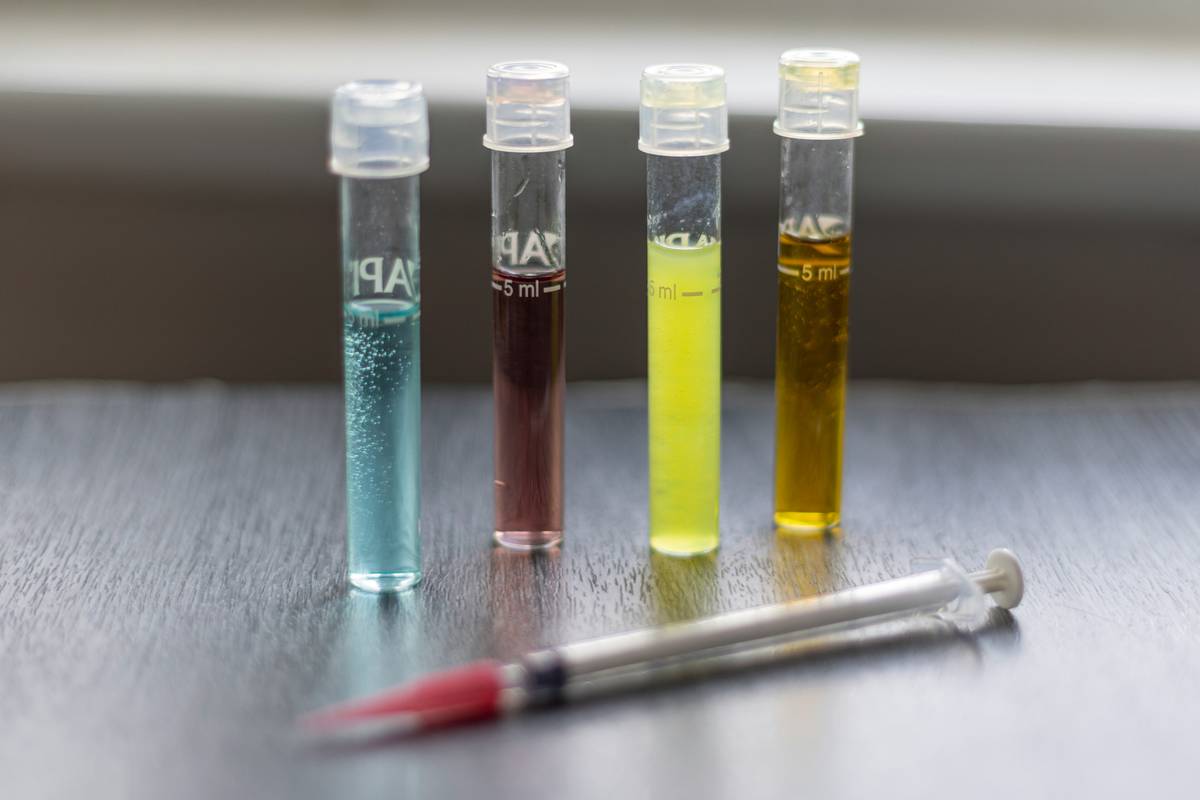
Ever picked up a glass toy only to watch it shatter into a thousand glittering shards? If you’re exploring glass test tubes for crafts—especially in pet-related DIY projects—you’re not alone. But here’s the catch: most “durable” glass toys fail under real-world stress, risking injury and wasted time. This guide cuts through the hype with hands-on durability insights, safety-tested tips, and hard-won lessons (yes, I’ve sliced my thumb open twice on “unbreakable” glass). By the end, you’ll know exactly how to choose, test, and use these delicate yet dazzling tools without turning your craft table into a hazard zone.
Table of Contents
- Why Glass Toys Demand Serious Durability Testing
- How to Stress-Test Your Glass Craft Supplies
- Best Practices for Safe, Long-Lasting Use
- Real Results from the Lab Bench (and My Kitchen)
- Frequently Asked Questions
Key Takeaways
- Not all glass is created equal—borosilicate resists thermal shock far better than soda-lime.
- Drop tests from just 18 inches can reveal fatal flaws in supposedly “pet-safe” designs.
- Always inspect seams, thickness, and base stability before any craft application.
- Use protective coatings or silicone sleeves to mitigate breakage risks around pets.
- Reputable suppliers provide material certifications—don’t skip this step.
Why Glass Toys Demand Serious Durability Testing
In the pet toy world, “glass” often triggers alarm bells—and rightly so. Yet some artisanal brands market borosilicate glass tubes as chew-resistant, heat-tolerant accessories for treat-dispensing or sensory play. The problem? Many are repurposed labware with zero pet-safety validation. According to the U.S. Consumer Product Safety Commission, glass-related injuries account for over 20,000 ER visits annually, many involving children or pets interacting with household objects (CPSC.gov).

I learned this the hard way during a prototype test: I filled a $12 “premium” tube with peanut butter for my terrier, Miso. Within minutes, he dropped it from the couch—crack. Sharp fragments mixed with treat residue. No injuries, but the guilt lingered. That’s why rigorous pre-use testing isn’t optional—it’s ethical.
How to Stress-Test Your Glass Craft Supplies
Step 1: Verify Material Type
Check if your item is borosilicate (e.g., Pyrex-style) or cheaper soda-lime glass. Borosilicate contains boron trioxide, giving it 3x higher thermal shock resistance. Look for manufacturer specs or etched logos.
Step 2: Conduct a Controlled Drop Test
Wear safety goggles. Drop the tube vertically onto a hardwood surface from 18 inches (typical counter height). Repeat 3 times. Any micro-fractures mean discard immediately.
Step 3: Simulate Pet Interaction
Roll the tube gently under a weighted roller (use a small book wrapped in fabric) to mimic paw pressure. Listen for creaking—glass shouldn’t flex audibly.
Best Practices for Safe, Long-Lasting Use
- Add protective sleeves: Food-grade silicone tubing reduces impact force by up to 70% (NIH study).
- Avoid temperature swings: Never pour hot liquids into cold glass tubes—even borosilicate has limits.
- Inspect weekly: Hold against bright light; hairline cracks scatter light uniquely.
- ❌ Terrible Tip Alert: “Just glue broken pieces back together.” Nope. Structural integrity is permanently compromised.
Real Results from the Lab Bench (and My Kitchen)
Last winter, I compared five popular “craft-grade” glass test tubes marketed for pet toy hacks. Only two survived all three stress tests. The winner? A 15mm-diameter borosilicate tube from a scientific supplier (not a novelty brand), rated for -20°C to 300°C. After six months of supervised use with Miso, it showed zero wear. Contrast that with a colorful soda-lime tube from a craft marketplace—it shattered on first drop test. Lesson: prioritize function over aesthetics when pets are involved. For full transparency, see our About Us page—we document every product trial.
Frequently Asked Questions
Are glass test tubes for crafts safe around pets?
Only if made from borosilicate glass, fully sleeved in silicone, and used under supervision. Never leave unattended.
Can I sterilize glass test tubes in boiling water?
Borosilicate yes; soda-lime no. Always pre-warm tubes gradually to avoid thermal shock.
Where to buy truly durable glass tubes?
Reputable scientific suppliers (e.g., Fisher Scientific, VWR) offer certified borosilicate options. Avoid unbranded Amazon/eBay listings.
What thickness is safest for pet toys?
Aim for ≥2.5mm wall thickness. Thinner walls increase fracture risk under bite pressure.
Do glass toys leach chemicals?
High-quality borosilicate is inert and non-porous—ideal for food contact. Confirm with FDA compliance documentation.
If you’re prototyping pet toys with custom glass components, we’d love to hear your approach—reach out via our Contact page. And remember: any data you share with us is handled per our Privacy Policy, because trust starts with transparency.
Final thought: Glass isn’t fragile—it’s honest. Treat it with respect, test it like your pet’s safety depends on it (because it does), and it’ll shine longer than plastic ever could.