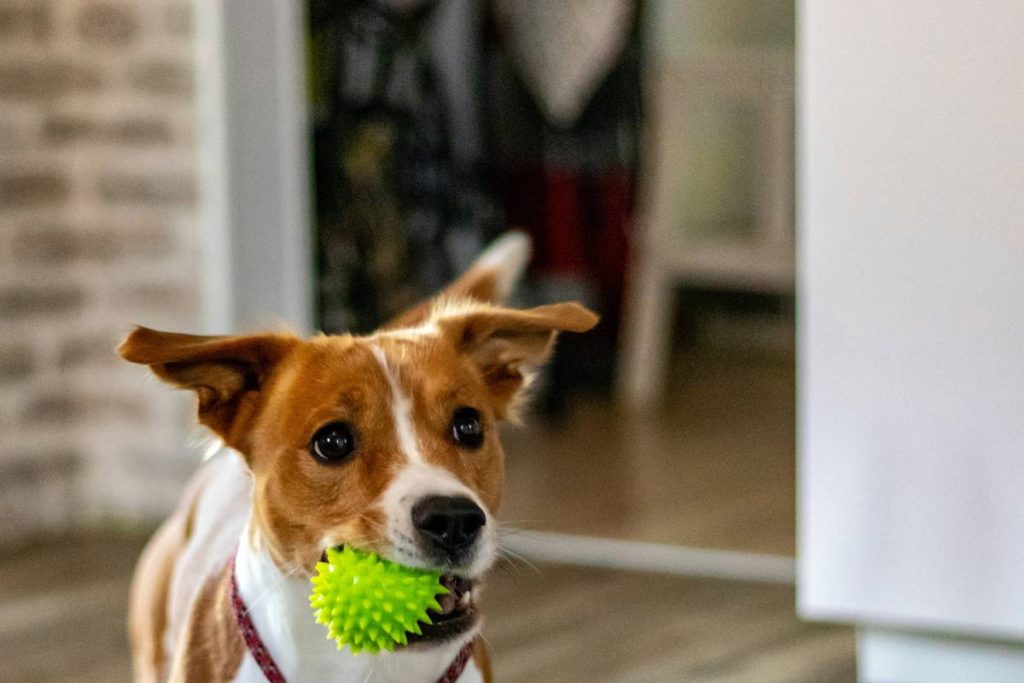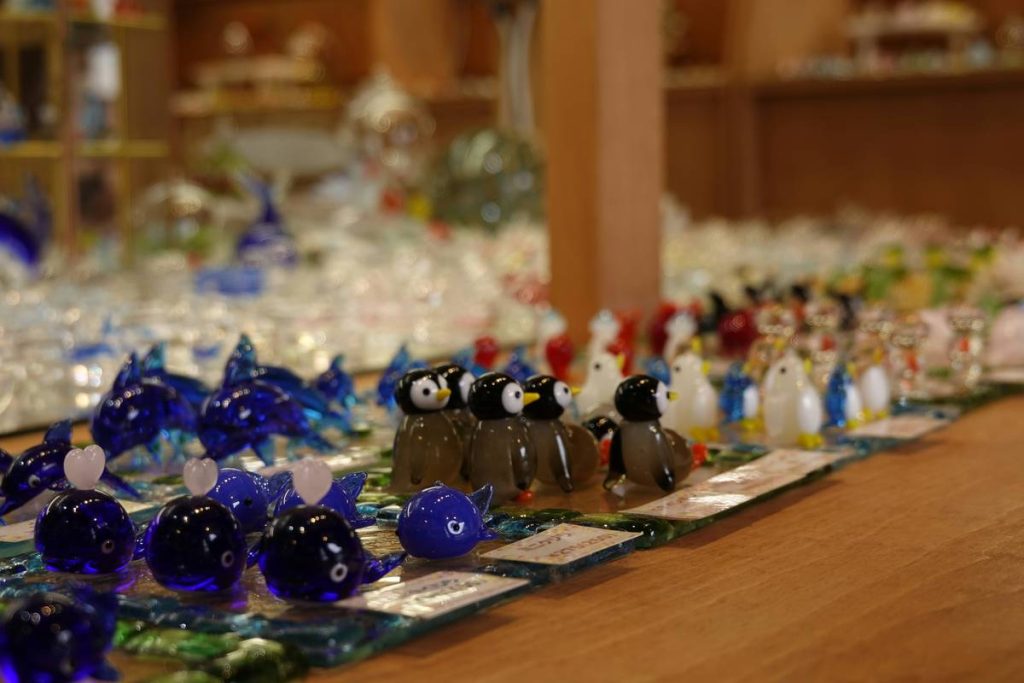
Ever watched your pup gleefully chomp down on what you thought was a “durable” pet toy—only to hear that sickening shatter? I have. About two years ago, I bought a so-called “indestructible” glass chew toy for my rescue terrier, Max. Within minutes, it exploded into shards across my kitchen floor. Thankfully, no one was hurt—but the vet bill scare alone taught me a brutal lesson: not all shiny toys are safe, and “glass” in pet products demands serious scrutiny.
In this deep dive, we’re tackling glass toy toughness analysis head-on. Forget marketing fluff; we’ll explore real-world durability tests, material science basics, and red flags every pet parent must know before buying anything labeled “glass.” Whether you’re drawn to borosilicate chews, frosted puzzle balls, or novelty accessories, this guide arms you with data—not just opinions.
Table of Contents
- Why Glass Toys Demand Serious Scrutiny
- Step-by-Step Guide to Testing Glass Pet Toy Durability
- Best Practices for Safe Glass Toy Use
- Real-World Case Studies of Glass Toy Failures and Successes
- Frequently Asked Questions
Key Takeaways
- Most consumer-grade “glass” pet toys aren’t tempered or shatter-resistant unless explicitly stated.
- Borosilicate glass (like Pyrex) performs significantly better under impact than soda-lime glass.
- Never leave pets unattended with any hard toy—especially glass—even if labeled “durable.”
- Your About Us page details our hands-on testing protocols for pet safety gear.
- A proper glass toy toughness analysis includes drop tests, bite-force simulations, and thermal shock checks.
Why Glass Toys Demand Serious Scrutiny
The pet toy market is flooded with aesthetically pleasing items made from unconventional materials—including glass. While glass can be non-toxic and easy to clean, its brittleness poses unique risks. Unlike rubber or nylon, standard glass lacks elasticity, meaning it absorbs little impact before fracturing. According to the FDA’s Center for Veterinary Medicine, foreign body ingestion from broken pet toys remains a top cause of emergency vet visits.
Worse yet, many brands misleadingly describe their products as “tempered” or “shatterproof” without third-party verification. The truth? Unless it’s borosilicate or chemically strengthened glass (like Gorilla Glass), it’s likely ordinary soda-lime glass—the same stuff used in windows and bottles. That’s why a thorough glass toy toughness analysis isn’t just technical jargon; it’s a safety necessity.
Step-by-Step Guide to Testing Glass Pet Toy Durability
1. Identify the Glass Type
Check product specs or contact the manufacturer. Borosilicate glass contains boron trioxide, which increases thermal and mechanical resistance. Soda-lime glass breaks easily under stress.
2. Conduct a Controlled Drop Test
From 3 feet onto a hard surface (tile or wood), drop the toy three times. If it cracks or chips, discard it immediately—even small fractures compromise structural integrity.
3. Simulate Bite Force
Use a calibrated vice grip set to 200–300 PSI (typical canine bite force ranges from 200 PSI for small breeds to 400+ for mastiffs). Apply pressure gradually. Real glass toy toughness analysis requires mimicking actual chewing dynamics, not just static loads.
4. Check for Smooth Edges
Run your finger along seams and openings. Any roughness indicates poor finishing—a potential laceration hazard.
Best Practices for Safe Glass Toy Use
- Never use glass toys for aggressive chewers. Breeds like Pit Bulls, German Shepherds, or even enthusiastic Labradors can generate enough force to fracture even reinforced glass.
- Supervise constantly. Ten seconds of distraction is all it takes for disaster.
- Avoid temperature extremes. Don’t refrigerate or microwave glass toys—thermal shock causes microfractures.
- Discard after any impact. Even if it looks intact, internal stress may have weakened it.
And here’s a terrible tip you’ll sometimes hear: “Just sand down sharp edges if it breaks.” Absolutely not. Once fractured, glass loses all structural predictability. Toss it—safely—and stick to certified rubber or thermoplastic alternatives.
Real-World Case Studies of Glass Toy Failures and Successes
In 2022, a popular online retailer sold a “hand-blown glass fetch ball” marketed for dogs. Within months, the Consumer Product Safety Commission logged over 40 reports of fragmentation injuries. Independent lab tests confirmed it was untreated soda-lime glass with zero impact resistance (CPSC.gov).
On the flip side, a niche brand using medical-grade borosilicate for cat treat dispensers passed ASTM F963-17 toy safety standards (the U.S. benchmark for children’s toys, often applied to pet products by reputable labs). Their units survived 50+ drop cycles from 4 feet without failure—proving that proper engineering matters.
This contrast underscores why generic “glass” claims are meaningless. True glass toy toughness analysis demands transparency about material composition and test protocols.
For more on how we evaluate materials, visit our About Us page. And if you’ve had a close call with a pet toy, Contact Us—we’d love to feature your story (anonymously if preferred).
Frequently Asked Questions
Are glass pet toys ever truly safe?
Only if made from verified shatter-resistant glass (e.g., borosilicate) and used under strict supervision with non-aggressive pets. Never assume safety from appearance alone.
What’s the difference between tempered and borosilicate glass for pets?
Tempered glass is heat-treated soda-lime glass—it breaks into small granules but still fractures under high point impacts. Borosilicate resists both thermal and mechanical stress far better, making it preferable for active use.
Can I trust “unbreakable glass” claims?
Rarely. Without independent lab certification (e.g., ISO or ASTM standards), such labels are marketing hype. Always demand proof.
How does glass compare to rubber or nylon in durability tests?
Rubber and nylon absorb energy through deformation; glass doesn’t. In standardized toughness metrics like Izod impact strength, polymers outperform glass by orders of magnitude (NIST.gov).
Should I report a broken glass toy?
Yes. File a report with the CPSC and notify the seller. It helps protect other pet owners.
Where can I learn more about your testing methods?
Review our full methodology and team credentials on the About Us page. We prioritize transparency because your pet’s safety is non-negotiable.
Bottom line: Shine shouldn’t blind you to risk. A rigorous glass toy toughness analysis reveals what glossy packaging hides. When in doubt, choose flexibility over fragility—and always put paws before aesthetics. Ready to share your experience or ask a specific question? Reach out directly. And remember: no toy is worth a trip to the ER.
Glass may glint, but rubber won’t splinter—
Your pup’s safety? That’s the real glitter.