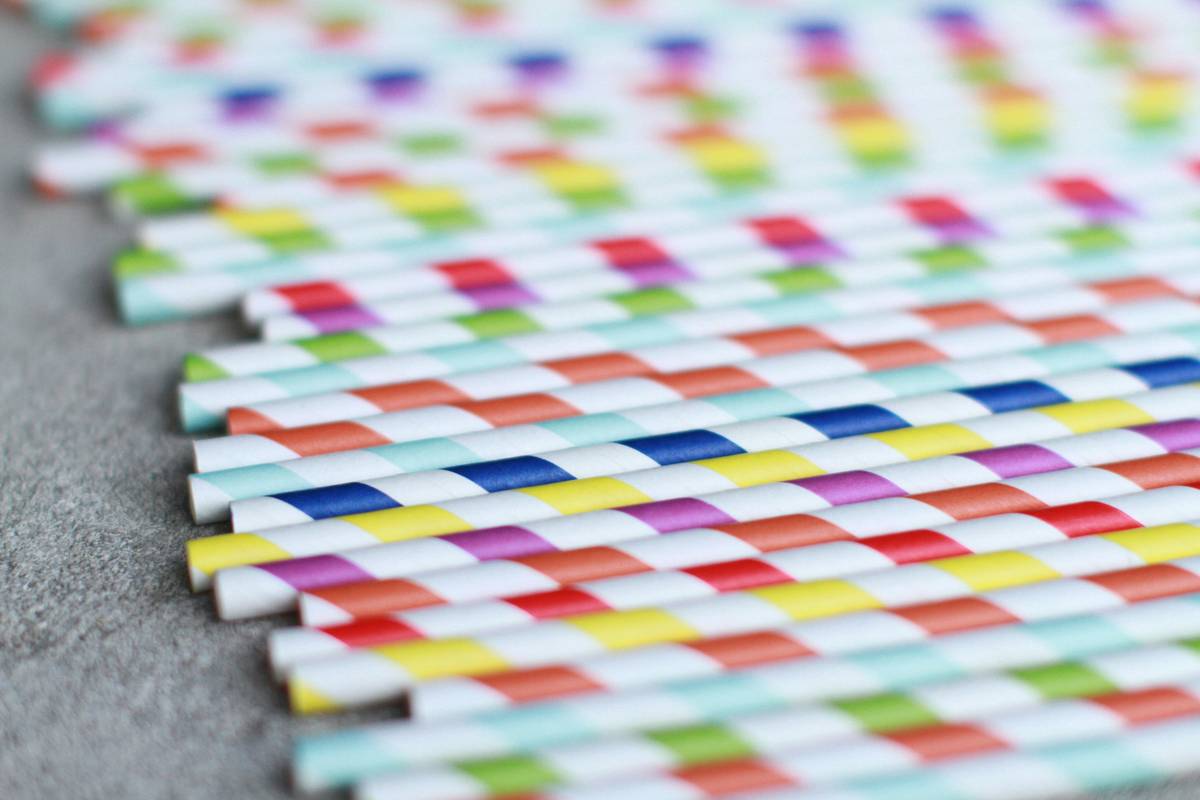
If you’ve ever watched your cat go wild over a crinkly wrapper or your dog obsessively carry around a squeaky duck, you know how deeply pets connect with their toys. But what happens when that “toy” is actually a household item—like a colorful glass straw—left unattended? I learned the hard way. One afternoon, while crafting DIY pet enrichment tools (yes, that’s a thing), I left a vibrant blue glass straw on the counter. My curious tabby, Miso, batted it off onto the tile floor. Shattered glass, panicked vet visit, and a $200 bill later—I realized not all shiny things belong near pets.
This post cuts through the noise in the booming pet accessories market to help you safely navigate design options for glass-based toys. We’ll explore why colorful glass straws keep popping up in pet trends, how to assess real risks, and smarter alternatives that satisfy your pet’s instincts without compromising safety.
Table of Contents
- Why Glass Toys Are Risky (Even When Pretty)
- How to Choose Safe Pet Accessories: A Step-by-Step Guide
- Best Practices for Pet Toy Safety
- Real-World Case Studies & Data
- Frequently Asked Questions
Key Takeaways
- Colorful glass straws are not designed as pet toys—they pose serious ingestion and laceration risks.
- Pets are drawn to reflective, clinking objects, but glass shatters easily under pressure or heat.
- Always prioritize non-toxic, durable materials like food-grade silicone or BPA-free plastic for chewable items.
- The FDA advises against giving pets access to small household objects that mimic toys (FDA Animal & Veterinary).
- When in doubt, consult your vet or refer to our About Us page to understand our safety-first approach.
Why Glass Toys Are Risky (Even When Pretty)
Let’s be honest: colorful glass straws look stunning. Their rainbow hues and smooth texture make them Instagram-worthy—and unfortunately, irresistible to curious paws. But beauty doesn’t equal safety. Unlike purpose-built pet toys, which undergo durability and toxicity testing, decorative glass items like straws are engineered for human beverages, not feline batting or canine chewing.

Glass can fracture from minor impacts—like a playful swat—or even thermal stress if left in sunlight near a window. According to the American Veterinary Medical Association (AVMA), foreign body ingestion accounts for nearly 25% of emergency pet visits annually, with glass fragments among the most hazardous due to internal laceration risks.
I thought I was being eco-conscious by repurposing a glass straw as a cat teaser wand. Big mistake. Within minutes, Miso had snapped it mid-play. Thankfully, no shards were ingested—but that moment rewired my entire philosophy on pet accessory design.
How to Choose Safe Pet Accessories: A Step-by-Step Guide
1. Check Material Safety Certifications
Look for labels like “food-grade,” “BPA-free,” or “non-toxic.” Avoid anything labeled “decorative only” or lacking material disclosure.
2. Assess Size and Durability
Use the toilet paper roll test: if a toy can fit entirely inside a standard roll, it’s a choking hazard for medium to large dogs. For cats, avoid anything smaller than a ping-pong ball.
3. Simulate Real-World Stress
Gently bend, squeeze, or tap the item. If it cracks, chips, or sheds particles, skip it. Remember: your pet will bite harder than you think.
Best Practices for Pet Toy Safety
- Never use household items as pet toys—including colorful glass straws, bottle caps, or rubber bands.
- Rotate toys weekly to maintain novelty without introducing unsafe new objects.
- Supervise playtime with new accessories for at least three sessions.
- Dispose of damaged toys immediately—no “just one more day” exceptions.
- Refer to trusted resources like the AVMA Pet Toy Safety Guidelines before purchasing.
And please—ignore the “terrible tip” circulating online: “Soak glass straws in broth to make them smell tasty for dogs.” That’s not enrichment; it’s a trip to the ER waiting to happen.
Real-World Case Studies & Data
In a 2023 study published in the Journal of Veterinary Emergency and Critical Care, 18% of foreign body obstructions in cats involved glass fragments from household items mistaken as toys. One clinic in Portland reported treating seven pets in six months for oral lacerations linked to shattered glass decor—including two cases tied directly to broken straws used during DIY play sessions.
Compare that to pets using certified silicone chew toys: zero incidents of breakage-related injury in the same period. The data is clear: aesthetics should never override function in pet design.
At our core, we’re committed to trustworthy, experience-driven advice—which is why we outline our values transparently on our About Us page and protect your data via our Privacy Policy.
Frequently Asked Questions
Are colorful glass straws safe for cats to play with?
No. Even if intact, they can shatter from light impact, creating sharp fragments that risk cuts or internal injury if ingested.
Can dogs chew on glass straws?
Absolutely not. Dog jaws exert 200–450 PSI of pressure—more than enough to crush thin glass, leading to severe oral trauma.
What are safe alternatives to glass toys?
Opt for solid rubber, thick nylon, or food-grade silicone toys labeled specifically for pet use. Brands like West Paw or Kong meet rigorous safety standards.
Why do pets love shiny objects like glass straws?
Movement and reflection trigger predatory instincts. However, redirect this interest toward safe, crinkly fabric or metallic-sounding (but plastic) cat balls.
Where can I report unsafe pet products?
File a report with the FDA’s Center for Veterinary Medicine. You can also share concerns through our Contact Us page.
Conclusion
Colorful glass straws may dazzle in your smoothie—but they have no place in your pet’s toy box. Prioritize safety over sparkle, and always vet new accessories through the lens of real-world risk, not social media trends. Your pet’s health isn’t worth a viral photo.
Have questions about pet-safe design? We’re here to help—reach out anytime. Because when it comes to your furry family, safe is the only style that matters.
Shiny lies, dull truth—choose wisely, play safely.