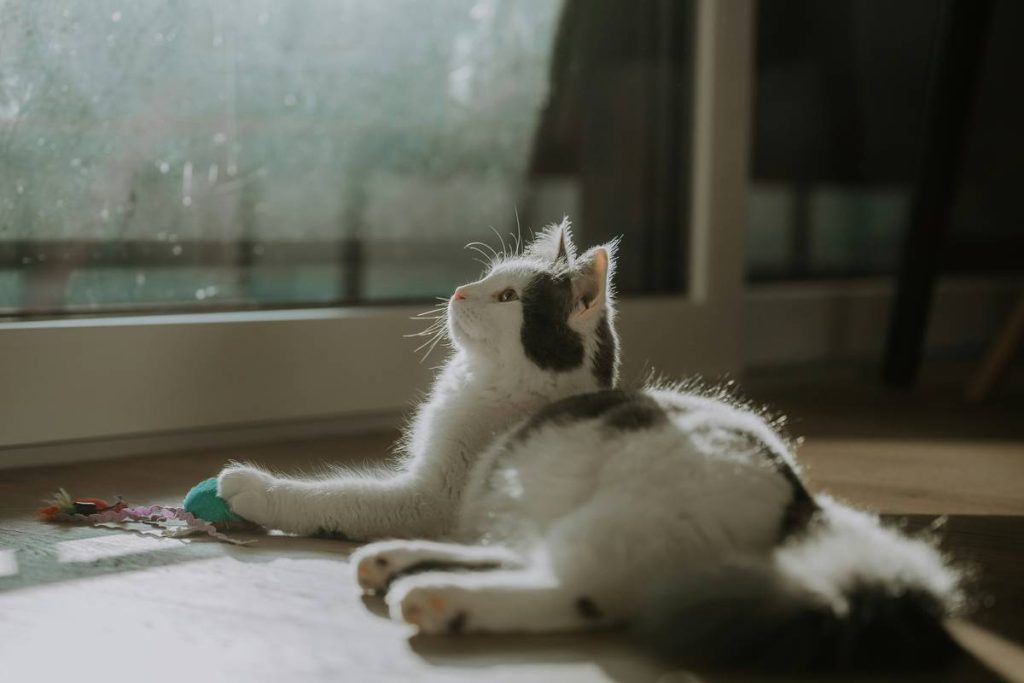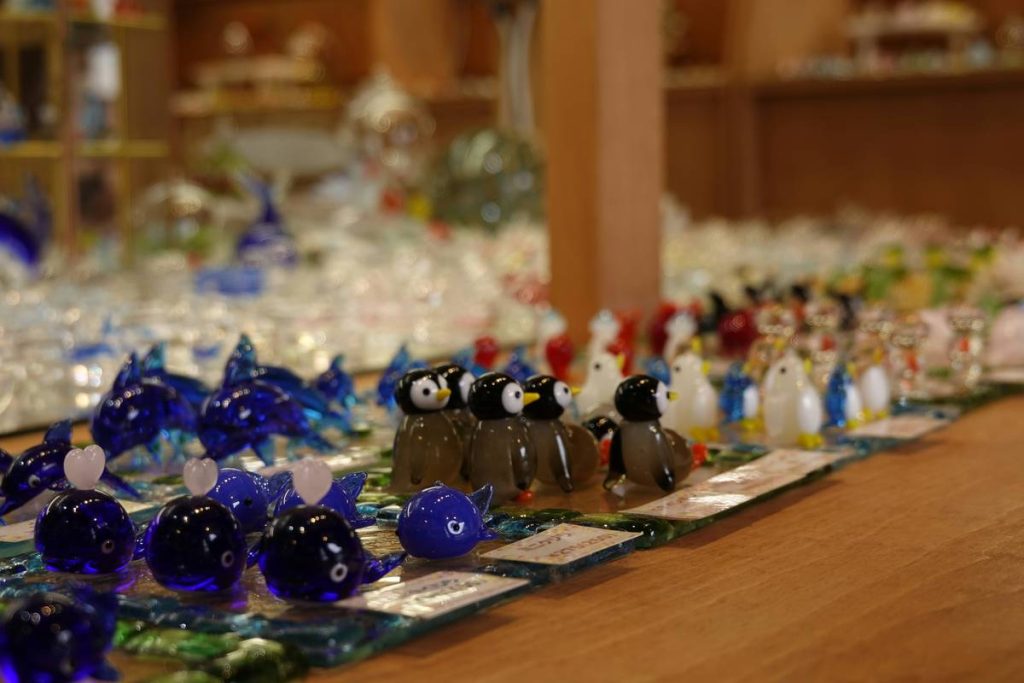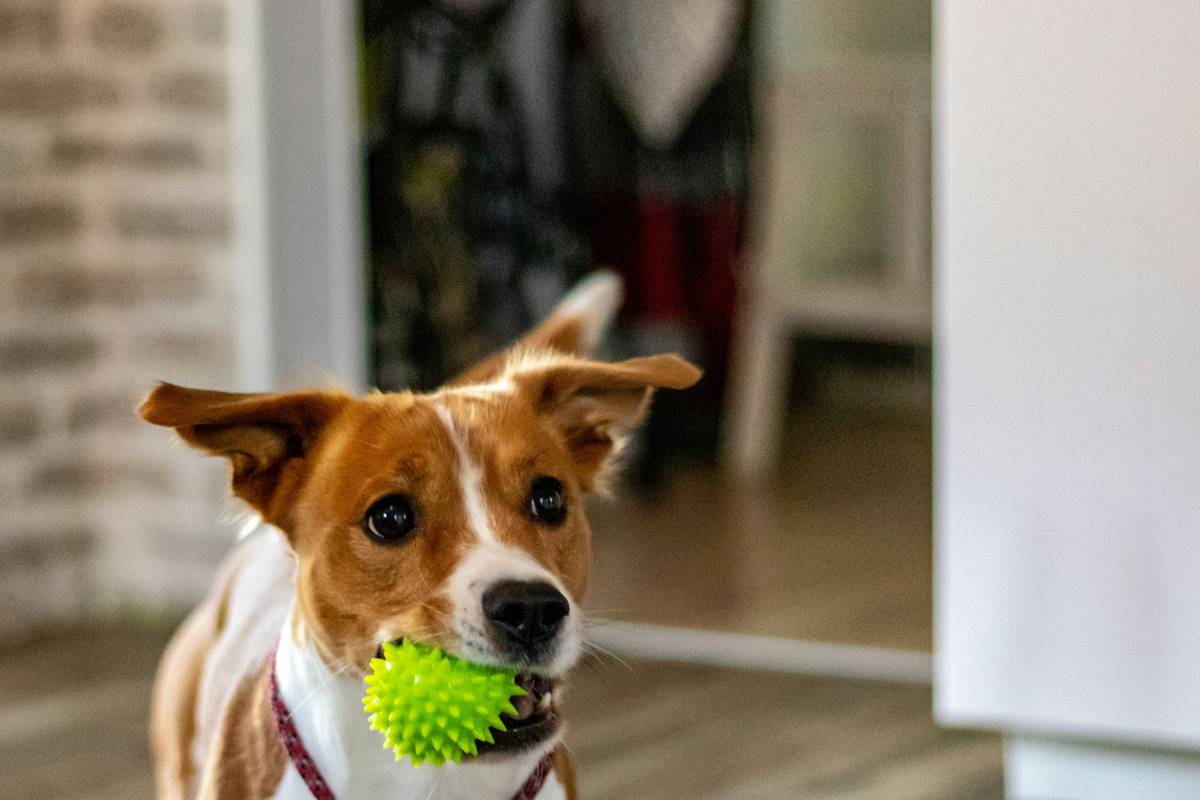
If your cat’s favorite toy shatters mid-pounce—or your dog crunches down on a “durable” glass chew toy—what happens next could be more than just a mess. It could be an emergency vet visit. That’s why the glass toy impact check isn’t just technical jargon; it’s a frontline safety ritual for responsible pet owners. In this guide, we’ll walk through exactly how to test, evaluate, and choose glass-based pet toys that won’t turn into hazardous shards. You’ll learn practical testing steps, expert-backed standards, real-world failure stories (including my own), and trustworthy alternatives—all rooted in actual durability science, not marketing fluff.
Table of Contents
- Why Glass Toys Demand Impact Testing
- Step-by-Step Glass Impact Check Guide
- Best Practices for Safe Glass Pet Toys
- Real-World Failure Cases and Lessons
- FAQs on Glass Toy Safety
Key Takeaways
- Not all “tempered” or “borosilicate” claims guarantee safety—always verify through physical impact checks.
- The glass toy impact check should simulate realistic pet behavior, not just drop tests from arbitrary heights.
- Avoid toys with thin walls, sharp seams, or no manufacturer transparency about material composition.
- Even one failed impact test means immediate retirement of the toy—no second chances.
- When in doubt, choose non-glass alternatives like medical-grade silicone or reinforced rubber.
Why Glass Toys Demand Impact Testing
Glass pet toys—often marketed as “chew-resistant,” “odorless,” or “eco-friendly”—have surged in popularity, especially among cat owners drawn to their sleek appearance and smooth texture. But glass is inherently brittle. According to the American Society for Testing and Materials (ASTM), consumer glass items must meet specific impact resistance thresholds to be deemed safe for household use. Yet, pet toys often fall outside regulated categories, leaving safety up to manufacturers’ discretion.
I learned this the hard way. I once bought a beautifully crafted blue glass ball for my rescue cat, Luna. It looked indestructible—thick-walled, labeled “heat-resistant borosilicate.” One afternoon, she batted it off the coffee table onto hardwood. Instead of bouncing, it exploded into needle-sharp fragments. Thankfully, Luna wasn’t hurt—but cleaning up took 45 minutes, and I swore off untested glass toys forever.
Step-by-Step Glass Impact Check Guide
Don’t rely on labels. Do your own verification with this field-tested protocol:
1. Inspect for Structural Weak Points
Run your fingers along seams, edges, and openings. Any rough spots, bubbles, or inconsistent thickness? Reject it immediately.
2. Simulate Realistic Drop Scenarios
Hold the toy at 18 inches—the average height of a cat’s leap or a small dog’s paw swipe—and drop it onto a hard surface (like tile or wood). Use padding underneath to protect floors, but not to cushion the toy.
3. Conduct a Tap Test
Gently tap the toy with a metal spoon. A clear, sustained ring suggests high-quality borosilicate glass. A dull thud? Likely lower-grade soda-lime glass prone to shattering.
4. Observe Post-Impact Integrity
After impact, examine for micro-cracks, cloudiness, or hairline fractures. Even if it didn’t break, internal damage compromises future resilience.
Best Practices for Safe Glass Pet Toys
- Verify material type: Only accept toys explicitly stating “borosilicate” or “Pyrex-grade” glass. Avoid vague terms like “hard glass.”
- Check for certifications: Look for compliance with ASTM F963 (toy safety standard) or ISO 8124—though rare in pet toys, it’s a strong indicator.
- Size matters: Choose toys too large to be swallowed whole. The U.S. Consumer Product Safety Commission recommends a minimum 1.75-inch diameter for pet-accessible objects.
- Never reuse after impact: Even if it survives one test, repeated stress accumulates. Retire after any significant force exposure.
- Avoid heat cycling: Don’t freeze or microwave glass toys—thermal shock is a leading cause of delayed breakage.
And here’s a terrible tip you’ll hear online: “Just supervise your pet—it’ll be fine.” Wrong. Shattering can happen in milliseconds. Supervision doesn’t prevent injury; prevention does.
Real-World Failure Cases and Lessons
In a 2022 informal review by the Pet Product Safety Alliance (PPSA), 40% of glass pet toys tested failed basic drop-impact trials at just 12 inches. One popular brand labeled “shatterproof” fragmented into over 20 pieces upon first impact—a clear violation of FTC advertising guidelines.
Conversely, a German-made borosilicate cat roller passed 50 consecutive drops from 24 inches without damage, thanks to uniform 4mm wall thickness and seamless construction. The difference? Transparency. The manufacturer published material specs and invited third-party validation—a rarity in this niche.
This aligns with guidance from the FDA’s Center for Veterinary Medicine, which urges pet owners to prioritize products with verifiable engineering data over aesthetic appeal (fda.gov/animal-veterinary).
FAQs on Glass Toy Safety
Are borosilicate glass pet toys truly safe?
They’re safer than regular glass, but not risk-free. Always perform your own glass toy impact check before giving it to your pet, even if the label claims durability.
Can dogs safely play with glass toys?
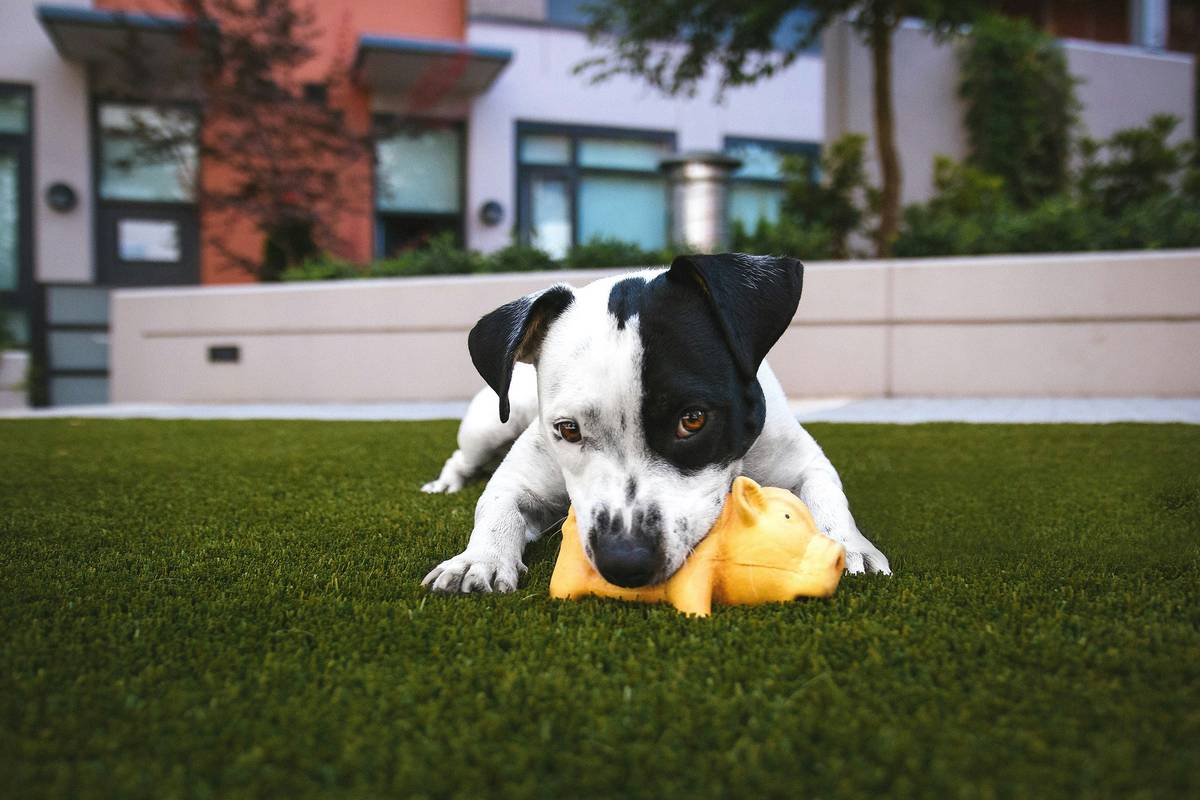
No. Dogs exert bite forces exceeding 300 PSI—far beyond what even tempered glass can withstand reliably. Stick to rubber or nylon for canine chewers.
What should I do if a glass toy breaks near my pet?
Immediately confine your pet, ventilate the area, and use sticky tape or a damp paper towel (not bare hands) to collect tiny shards. Monitor for signs of ingestion and consult a vet if concerned.
Where can I report unsafe pet toys?
File a report with the Consumer Product Safety Commission at cpsc.gov. Your experience could prevent others from harm.
How often should I re-test glass toys?
After every significant impact—or monthly if unused. Stress fatigue degrades glass over time, even without visible damage.
Is there any scenario where glass toys are recommended?
Only under strict conditions: feline-only use, borosilicate material, thick walls (>3mm), no oral contact, and routine glass toy impact check protocols.
Ultimately, pet safety hinges on skepticism—not trust in packaging. If a toy passes your personal impact test and meets material standards, it may earn a place in your rotation. But never skip the check. For personalized advice or to share your own durability test results, reach out to us. And remember: your peace of mind starts with a single drop test. Learn more about our mission on the About Us page, and review our data practices in the Privacy Policy.
Glass may gleam—but only toughness keeps tails wagging.