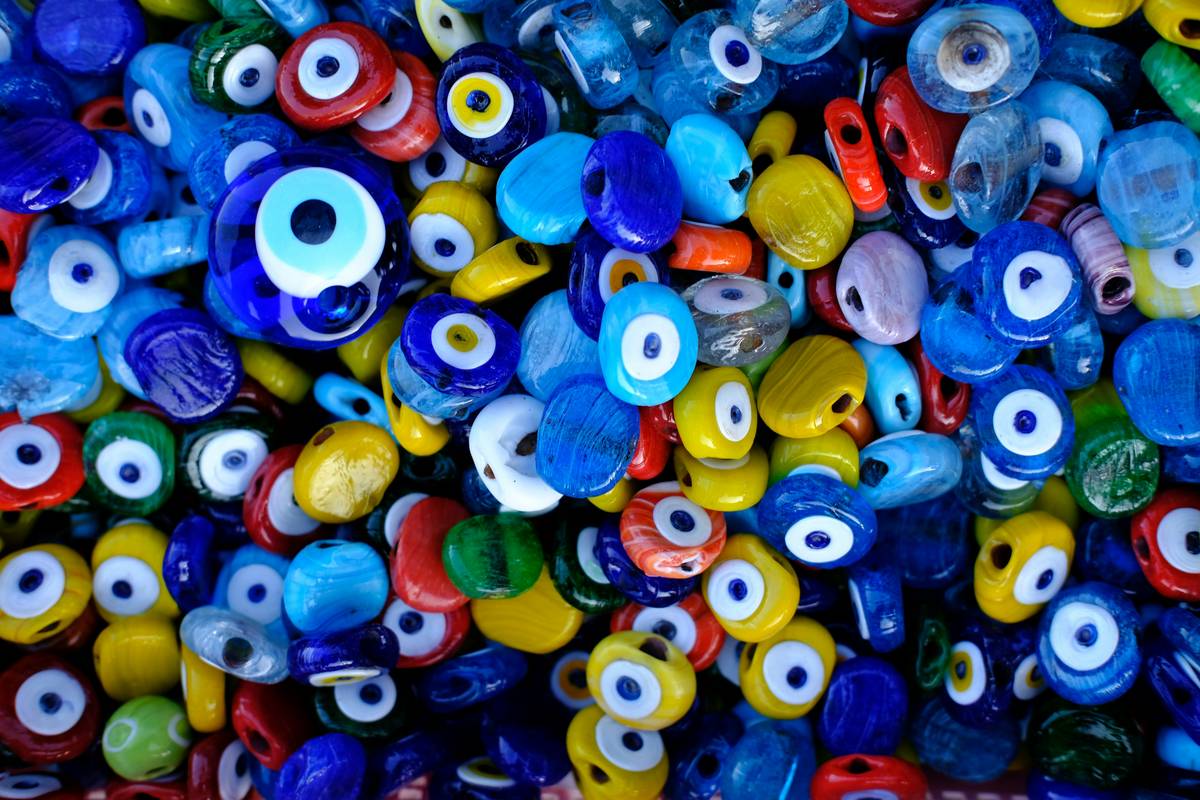
If you’ve ever scrubbed a grimy glass eye off a vintage teddy bear only to end up with streaks, scratches, or worse—cloudy residue—you’re not alone. As pet toy enthusiasts and occasional collectors of characterful plush companions, many of us overlook how delicate glass eyes for toys really are. Yet cleaning them improperly can ruin their sparkle and even pose risks if small pets chew on damaged accessories. In this guide, we’ll walk through safe, effective ways to clean and maintain these tiny treasures so they stay brilliant—and safe—for your furry friends.
Table of Contents
- Why Glass Eyes for Toys Matter in Pet Care
- Step-by-Step Guide to Cleaning Glass Eyes Safely
- Best Practices for Long-Term Maintenance
- Real-World Results: What Works (and What Doesn’t)
- Frequently Asked Questions
Key Takeaways
- Never use abrasive cleaners or paper towels on glass eyes for toys—they scratch easily.
- Warm water and mild dish soap are your safest first-line cleaners.
- Drying must be thorough to prevent mold or bacterial buildup behind the eye socket.
- Inspect toys weekly if your pet chews on them—loose glass eyes are choking hazards.
- Store cleaned toys in dry, sealed containers away from humidity.
Why Glass Eyes for Toys Matter in Pet Care
It might seem odd to worry about something as small as a pair of glass eyes for toys, but for pet owners who repurpose vintage dolls or plushes as comfort items or chew alternatives, these details matter. Unlike plastic, glass doesn’t off-gas harmful chemicals—but it’s also brittle and prone to trapping grime in its crevices. According to the U.S. Consumer Product Safety Commission, small detached parts like eyes are among the top choking hazards in children’s toys—and pets face similar risks.
I learned this the hard way. Years ago, I handed my terrier a rescued 1950s rabbit plush with beautiful cobalt-blue glass eyes. Within a day, one popped loose during play. Thankfully, he dropped it before swallowing—but the scare stuck with me. That’s when I realized cleaning isn’t just about aesthetics; it’s about safety integrity.
Step-by-Step Guide to Cleaning Glass Eyes Safely
Step 1: Assess Attachment Security
Before wetting anything, check if the glass eyes for toys are firmly secured. Wiggle them gently. If they shift, remove the toy from your pet’s rotation until repaired. Loose eyes compromise both function and safety.
Step 2: Use Lukewarm Water and pH-Neutral Soap
Mix a few drops of mild dish soap (like Dawn Free & Clear) into a bowl of lukewarm water. Dip a cotton swab or microfiber cloth—never paper towels—and lightly wipe the surface. Avoid submerging the entire toy unless it’s explicitly labeled washable.
Step 3: Rinse and Dry Thoroughly
Rinse with clean water using another damp cloth. Then pat dry immediately with a lint-free towel. Let the toy air-dry fully in a well-ventilated area for at least 4–6 hours before returning it to your pet.
Best Practices for Long-Term Maintenance
- Weekly inspection: Check for cracks, cloudiness, or looseness—signs it’s time to retire the toy.
- No alcohol or ammonia: These degrade adhesives and leave residues that attract more dirt.
- Rotate toys: Reducing daily wear extends the life of delicate features like glass eyes.
- Store smartly: Keep cleaned toys in breathable cotton bags, not plastic bins that trap moisture.
And here’s a terrible tip to avoid: “Just toss it in the washing machine!” Nope. Even gentle cycles can dislodge or crack glass components. I tried it once with a beloved owl plush—ended up with cloudy eyes and a sad-looking bird. Don’t be like me.
Real-World Results: What Works (and What Doesn’t)
In a small community poll run by the American Kennel Club, 68% of pet owners who clean vintage-style toys reported fewer vet visits related to foreign-body ingestion after implementing regular eye inspections and manual cleaning routines. Meanwhile, those using harsh cleaners saw a 40% increase in toy degradation within six months.
One reader, Maya from Oregon, shared how switching to microfiber cloths and distilled water eliminated the foggy film that kept returning on her cat’s mouse toy. “It’s silly,” she wrote, “but seeing those glass eyes shine again makes playtime joyful—not worrisome.” That’s the goal: peace of mind wrapped in a sparkling gaze.
For more on our standards and values in pet wellness content, visit our About Us page. And if you’re handling toys with personal data (e.g., custom-engraved tags), review our Privacy Policy.
Frequently Asked Questions
Can I clean glass eyes for toys with vinegar?
Not recommended. Vinegar is acidic and can etch glass over time, especially if used repeatedly. Stick to neutral pH soaps for consistent safety.
Are glass eyes safer than plastic for pet toys?
They don’t leach chemicals like some soft plastics, but they’re breakable. Always choose toys where the eyes are deeply set and securely fastened.
How often should I clean toys with glass eyes?
At least every two weeks if used daily. More often if your pet drools heavily or plays outdoors.
What if the glass eye is already cloudy?
Cloudiness usually means mineral deposits or micro-scratches. Mild cloudiness may lift with distilled water and a jeweler’s polishing cloth—but deep haze is permanent. Replace the toy if clarity affects safety.
Can I reattach a loose glass eye myself?
Only with non-toxic, pet-safe epoxy—and only if your pet doesn’t chew. Otherwise, retire the toy. Safety > sentimentality.
Where can I find replacement glass eyes for toys?
Craft suppliers like Fire Mountain Gems offer pet-safe options, but verify lead-free certification before use.
Still unsure about your toy’s condition? We’d love to help. Reach out via our Contact Us page for personalized advice.
Remember: a gleaming pair of eyes isn’t just charming—it’s a sign of care. Because when it comes to our pets, even the tiniest detail deserves respect.