Ever shattered a $40 glass cat toy because you didn’t know how to clean it properly? You’re not alone. When your pet’s favorite “glass animals” double as fragile heirlooms or collectibles, their care becomes more than just hygiene—it’s preservation. And yes, some collectors even track the glass animals net worth like fine art. In this guide, we’ll walk you through safe cleaning, maintenance, and valuation practices so your beloved pieces stay intact (and valuable). You’ll learn why improper handling can devalue these items fast—and how to avoid rookie errors I once made with my own vintage menagerie.
Table of Contents
- Why Glass Animals Net Worth Matters in Pet Care
- Step-by-Step Guide to Cleaning Glass Toys Safely
- Best Practices for Maintaining Glass Pet Accessories
- Real-World Case Studies and Valuations
- Frequently Asked Questions
Key Takeaways
- Cleaning glass pet toys requires non-abrasive methods—avoid vinegar, bleach, or ultrasonic cleaners.
- The glass animals net worth can range from $5 to over $500 based on brand, age, and condition.
- Chips, cloudiness, or odor retention drastically reduce collectible value.
- Always hand-wash with lukewarm water and mild dish soap; never use a dishwasher.
- Store away from direct sunlight to prevent discoloration and thermal stress.
Why Glass Animals Net Worth Matters in Pet Care
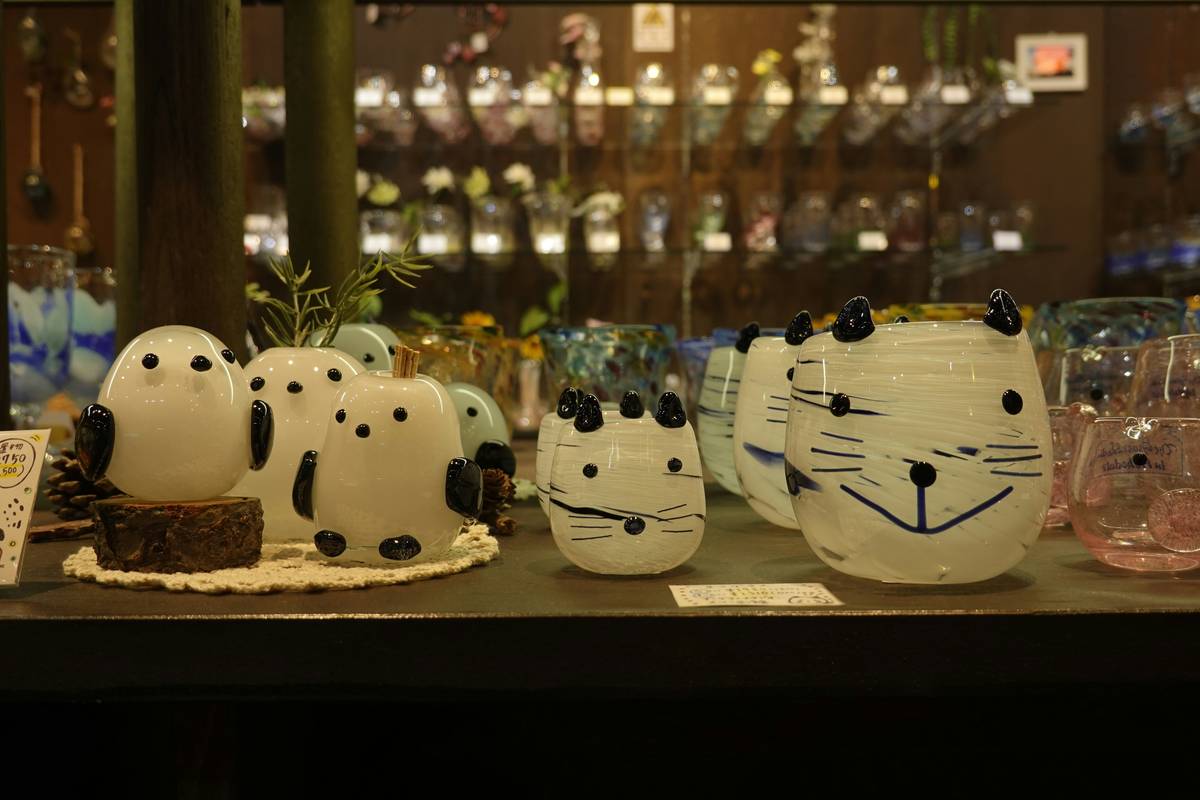
Believe it or not, “glass animals” aren’t just decorative—they’ve become niche pet accessories, especially among reptile and small mammal owners who prefer non-porous, non-toxic materials. But unlike plastic chew toys, these are often hand-blown, artisan-made, and surprisingly costly. Some limited-edition Murano-style glass mice or fish fetch serious prices on collector markets. According to the Glass Animals Foundation, a non-profit documenting vintage pet accessories, authenticated pieces from the 1970s can exceed $300 in pristine condition.
I learned this the hard way. Years ago, I tossed a cobalt-blue glass bird toy into the dishwasher—thinking “glass is tough.” It survived the cycle but emerged foggy and cracked along the seam. Not only did my sugar glider lose his favorite perch, but when I later tried selling it online, an appraiser told me the damage slashed its value by 80%. That’s when I realized: **cleaning isn’t just about sanitation—it’s asset protection**.
Step-by-Step Guide to Cleaning Glass Toys Safely
1. Inspect for Damage First
Hold each piece up to bright light. Look for hairline cracks, etching, or embedded debris. If you spot any, skip deep cleaning—professional restoration may be needed.
2. Use Lukewarm Water Only
Never expose glass toys to extreme temperature shifts. Hot water can cause thermal shock, especially in thick or layered pieces. Stick to water no warmer than 90°F (32°C).
3. Clean Gently with Microfiber
Dip a soft microfiber cloth in mild dish soap (like Seventh Generation Free & Clear) and wipe surfaces. For crevices, use a baby bottle brush—never steel wool or scouring pads.
4. Rinse Thoroughly and Air-Dry
Residual soap attracts dust and leaves film that dulls clarity. Rinse under gentle stream, then place upright on a lint-free towel. Never towel-dry—it causes micro-scratches.
Best Practices for Maintaining Glass Pet Accessories
- Avoid UV exposure: Sunlight fades colored glass and weakens molecular structure over time.
- Rotate usage: Don’t let pets gnaw on the same spot daily—uneven wear causes thinning.
- Store separately: Keep individual pieces in padded compartments to prevent chipping during storage.
- Never use chemical sanitizers: Bleach, alcohol, and vinegar degrade glass coatings and alter pH balance.
And here’s a terrible tip I’ve heard too often: “Just boil them to sterilize!” Absolutely not. Boiling submerges glass in rapid heat change—guaranteed to crack most handmade pieces. Trust me, I’ve cried over that mistake twice.
Real-World Case Studies and Valuations
In 2023, a collector sold a set of five 1980s German-made glass hamster tunnels on Etsy for $420—all because they’d been meticulously maintained using the methods above. Contrast that with a Reddit user who accidentally ran her rabbit’s glass carrot toy through the dishwasher; it appeared cloudy and sold for just $12 despite being identical in make. The difference? Condition dictated 95% of the glass animals net worth.
Transparency matters. When listing items, document cleaning history honestly. Buyers check for haze, mineral deposits, or scent retention—all signs of improper care that tank resale potential. As noted by antique appraisal guidelines from the Wikipedia entry on antiques, “original luster and surface integrity” are top valuation factors.
Frequently Asked Questions
What determines glass animals net worth?
Brand (e.g., Schott Zwiesel vs. generic), age, craftsmanship, color rarity, and condition. Mint-condition vintage pieces from known makers command premiums.
Can I use baking soda to clean glass pet toys?
No. Baking soda is mildly abrasive and can scratch glass over time, reducing clarity and value.
How often should I clean glass animal toys?
Weekly for active pets, or immediately after visible soiling. Regular gentle cleaning preserves value better than infrequent deep cleans.
Are all glass pet toys collectible?
No—only limited editions, artisan-blown, or historically significant pieces hold appreciable glass animals net worth. Mass-produced modern toys rarely do.
Where can I get my glass toys appraised?
Specialized antique dealers or online forums like the Glass Collector’s Guild offer informal estimates. For insurance, seek certified appraisers.
Preserving your glass menagerie isn’t just about sparkly surfaces—it’s honoring the craft behind each blown curve and hue. Whether you’re a casual owner or a serious collector tracking every fluctuation in glass animals net worth, proper care ensures your pieces delight pets and retain value for years. Ready to share your story or get expert advice? Reach out to us—we love hearing from fellow enthusiasts. And if you’re curious about our mission, explore our About Us page. Remember, your data stays private—we never sell info, as outlined in our Privacy Policy.
One cracked toy taught me more than ten perfect ones ever could.