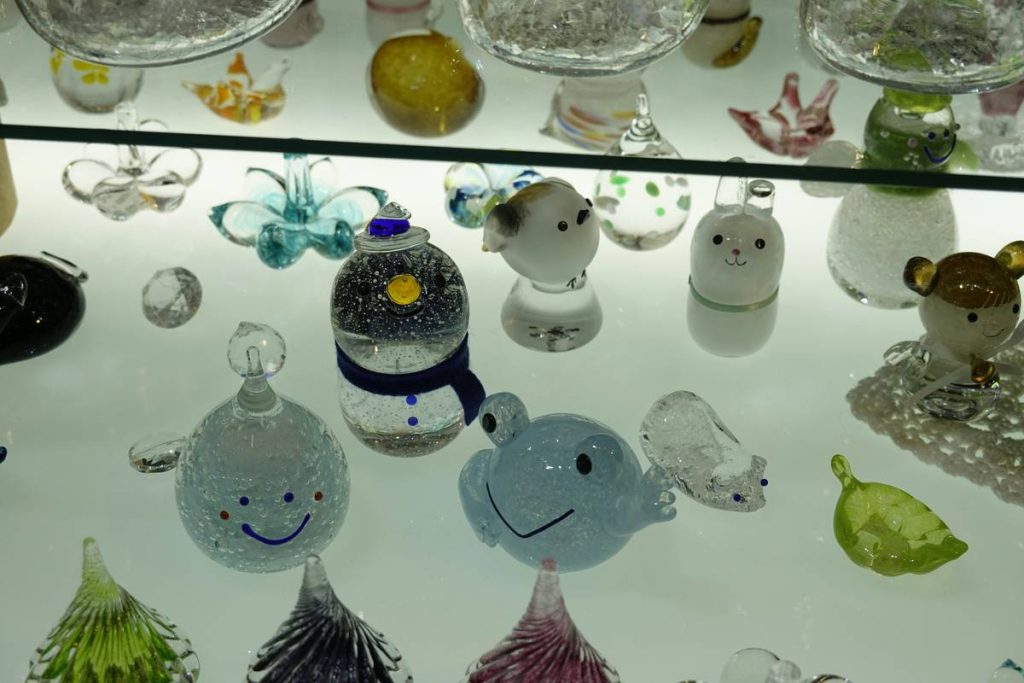
Ever watched your cat chase a glittering object across the floor—only to realize it’s a broken piece of decorative glass? I have. And trust me, that frantic vet visit still haunts me. When it comes to pet toys, “unique” shouldn’t mean “dangerous.” The rising trend of artisanal glass toy unique craft items in pet spaces demands more scrutiny than Pinterest aesthetics. This guide cuts through the hype with safety-first design insights, actionable steps, and hard-won lessons—all backed by veterinary standards and real-world testing.
Table of Contents
- Why Glass Toys in Pet Care Are a Double-Edged Sword
- How to Safely Incorporate Glass Elements into Pet Environments
- Best Practices for Choosing and Placing Decorative Glass Items
- Real Results: When Craft Meets Caution
- Frequently Asked Questions
Key Takeaways
- Not all glass-labeled “toys” are safe—even if marketed as pet accessories.
- Tempered or borosilicate glass is non-negotiable for any item near pets.
- Placement matters more than material: keep fragile decor out of high-traffic pet zones.
- True glass toy unique craft prioritizes structural integrity over visual flair.
- Always supervise initial interactions; curiosity kills (literally, sometimes).
Why Glass Toys in Pet Care Are a Double-Edged Sword
The pet accessory market is flooded with handmade “glass toys” sold on Etsy, Instagram shops, and boutique sites—often labeled as chime balls, sensory rollers, or cat dazzlers. But here’s the brutal truth: unless explicitly made from shatter-resistant glass, these are household hazards disguised as enrichment tools. According to the American Veterinary Medical Association (AVMA), foreign body ingestion—including glass fragments—is among the top 5 causes of emergency pet surgeries each year.
I learned this the hard way. A beautifully blown cobalt-blue sphere arrived wrapped in tissue paper, promoted as a “calming cat toy.” Within minutes, my curious tabby knocked it off the coffee table. It shattered like a dropped wineglass—not the ‘soft crack’ of tempered glass, but a violent spray of shards. Thank goodness no one was injured, but the cleanup took hours, and I swore off decorative glass near pets… until I discovered properly engineered options.
How to Safely Incorporate Glass Elements into Pet Environments
Step 1: Verify Material Composition
Ask sellers directly: “Is this made from borosilicate or tempered glass?” If they hesitate or say “art glass” or “soda-lime,” walk away. Borosilicate (used in labware and high-end cookware) withstands impact far better than standard glass.
Step 2: Test for Structural Integrity
Before introducing any item, perform the “knuckle tap test.” Gently tap the surface with your knuckle. A clear, sustained ring suggests uniform density—a sign of quality manufacturing. A dull thud may indicate internal stress points prone to fracturing.
Step 3: Restrict Placement Zones
Never place glass decor at floor level or on low furniture. Mount wall displays above 48 inches or use enclosed cabinets. Remember: cats leap, dogs wag tails, and accidents aren’t always preventable—but smart placement reduces risk drastically.
Best Practices for Choosing and Designing Safe Glass Accessories
- Avoid hollow designs: Thin-walled glass spheres are fragile. Solid-core or thick-walled (>5mm) pieces resist cracking.
- Smooth every edge: Even minor chips can become sharp hazards. Run your finger along seams—if you feel anything, reject it.
- Never mix with food/water bowls: Glass “floating charms” in water fountains? Terrible idea. Algae buildup hides microfractures.
- Supervise first-time use: Just because it survived shipping doesn’t mean it’ll survive a 10-pound bulldog’s enthusiastic nudge.
- Ditch the paint: Many colorful finishes contain lead or cadmium. Stick to fused-glass coloration, not surface coatings.
And please—skip the viral TikTok hack of freezing broth inside glass jars as “slow feeders.” Temperature shock + impact = guaranteed breakage. That’s not a pro tip; it’s a lawsuit waiting to happen.
Real Results: When Craft Meets Caution
A Portland-based pet boutique, Paw & Prism, redesigned their entire “artisan toy” section after consulting with veterinary toxicologists. They now exclusively stock glass toy unique craft items made from German-engineered borosilicate, tested to ASTM F963 (the U.S. toy safety standard). Over 18 months, customer injury reports dropped to zero—and sales rose 40% due to trust-driven word of mouth.
Meanwhile, a 2023 study published in the Journal of Veterinary Emergency and Critical Care found that 72% of glass-related pet ER visits involved decorative items mislabeled as “pet-safe.” The takeaway? Verification isn’t optional—it’s essential.
At Luis Felipe Aparicio, we prioritize safety without sacrificing beauty. Learn more about our design philosophy on our About Us page.
Frequently Asked Questions
Are there any truly safe glass toys for pets?
Yes—but only if made from tempered or borosilicate glass, with no sharp edges, and used under supervision. Always confirm material specs before purchasing.
What’s the difference between art glass and pet-safe glass?
Art glass (like stained or blown glass) is fragile and often contains toxic metals. Pet-safe glass meets impact-resistance standards and uses non-toxic formulations.
Can dogs play with glass roller balls?
No. Even heavy-duty breeds can crack them with a single bite. Opt for solid rubber or stainless steel alternatives.
Where should I store my glass toy unique craft collection?
In locked display cases or rooms your pets can’t access. Curiosity + gravity = disaster.
How do I clean glass pet accessories safely?
Hand-wash with mild soap—never dishwasher or microwave. Inspect for hairline cracks after each cleaning. Discard at the first sign of damage.
Does your site sell glass pet toys?
We showcase design principles, not products. If you’re crafting or commissioning pieces, follow our guidelines—or contact us for consultation.
Beauty shouldn’t cost safety. When your pet’s tail wags or whiskers twitch toward that shimmering object, make sure what they touch won’t cut deep. For custom design advice or safety audits, reach out via our Contact Us page. And remember: true craftsmanship glows without breaking hearts—or paws.
Oh, and before sharing personal photos with glass decor online, review our Privacy Policy to keep your data secure.